
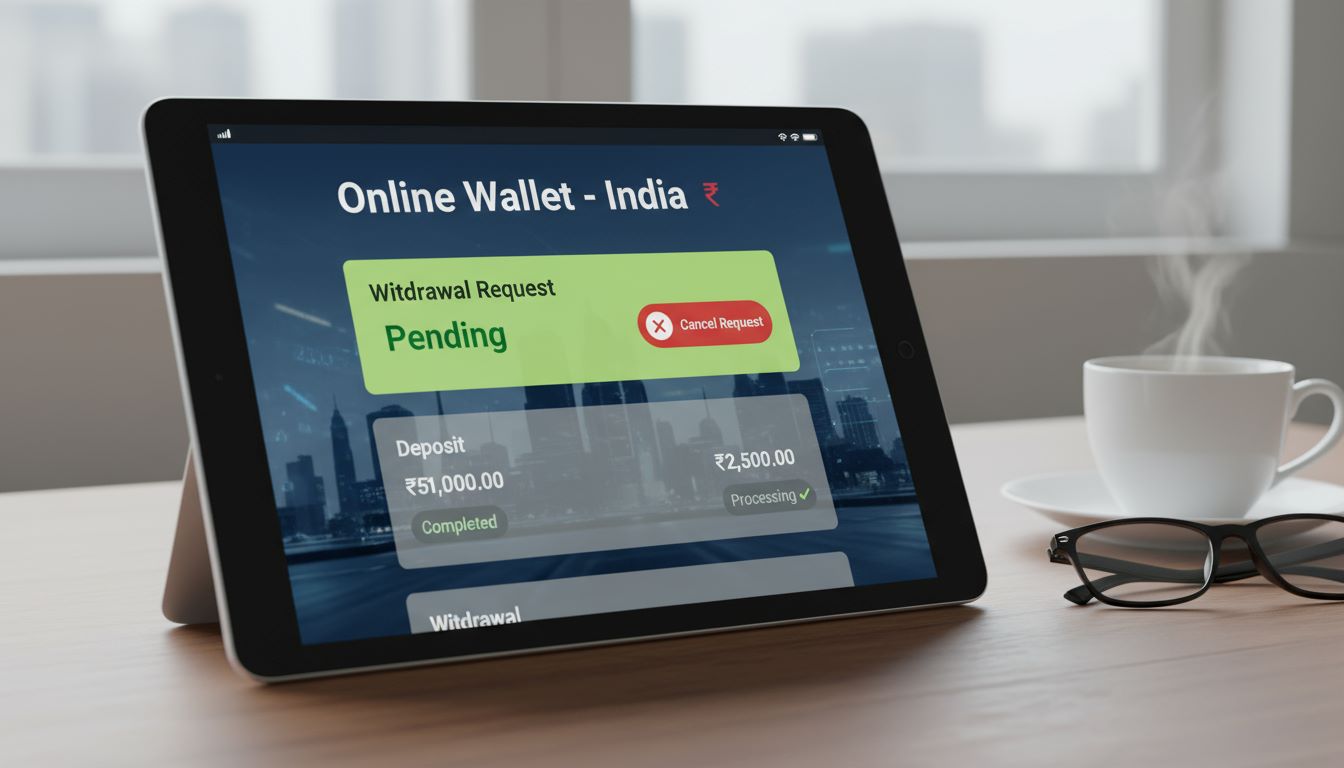
The ability to cancel withdrawal requests has become increasingly critical for financial management in India’s complex regulatory environment. From banking transactions to provident fund withdrawals, taxpayers and investors frequently need to reverse their financial decisions due to changing circumstances, regulatory requirements, or simple errors in their applications.
This comprehensive overview covers withdrawal cancellation across multiple domains including banking systems, trading platforms, tax-related applications, provident fund schemes, and IPO applications. Each sector operates under distinct legal frameworks with specific procedural requirements, compliance timelines, and documentation standards that users must navigate carefully to successfully cancel their withdrawal requests.
Key Types of Withdrawal Requests in India
India’s financial ecosystem encompasses various withdrawal mechanisms, each governed by specific regulatory bodies and operating under different cancellation policies. Understanding the fundamental differences between these systems helps users identify the appropriate cancellation procedures and required documentation for their specific situation.
The scope of withdrawal cancellations extends across banking institutions, government schemes, tax applications, and investment platforms. Each domain has established protocols for handling cancellation requests, with varying degrees of flexibility depending on the processing stage and regulatory requirements.
| Withdrawal Type | Domain | Who Can Cancel | Cancellation Window | Documentation Needed |
|---|---|---|---|---|
| Bank FD/RD Withdrawal | Banking | Account holder only | Before processing completion | ID proof, passbook, cancellation form |
| PF Withdrawal | EPFO | Employee/employer | Before final approval | UAN, Aadhaar, bank details |
| GST Cancellation | Tax Administration | Registered taxpayer | Before order issuance | GSTIN, application reference |
| IPO Application | Stock Markets | Investor/broker | Before bid closure | Demat account, PAN, bid details |
| Trading Platform Withdrawal | Securities | Account holder | Platform-specific limits | KYC documents, transaction ID |
Provident Fund (PF) Withdrawal Cancellation
The Employee Provident Fund Organisation (EPFO) allows cancellation of withdrawal requests through both online and offline channels. Members can use the EPFO grievance portal to submit cancellation requests, provided the application hasn’t reached the final approval stage.
Critical limitations include strict timelines where cancellation becomes impossible once the withdrawal amount is processed for payment. Members must contact their regional EPFO office directly for urgent cancellations or when facing technical issues with the online portal.
GST Cancellation Application Withdrawal
GST registered taxpayers can withdraw their cancellation applications through the GST portal before the tax authorities issue a cancellation order. The process involves logging into the GST portal and accessing the cancellation application section to initiate withdrawal.
Understanding the distinction between retraction (voluntary withdrawal by taxpayer) and revocation (authority-initiated reversal) is crucial, as each follows different procedures and has varying implications for the taxpayer’s registration status.
Common Reasons and Scenarios for Withdrawal Cancellations
Multiple factors contribute to the need for withdrawal request cancellations, ranging from user errors to institutional compliance requirements. Financial institutions and regulatory bodies increasingly implement automated systems that flag suspicious activities or incomplete applications, leading to cancellation requests.
Individual users often encounter situations requiring cancellation due to changed financial circumstances, incorrect application details, or discovery of more favorable terms elsewhere. Business entities face additional complexities related to regulatory compliance and corporate policy changes.
Understanding these common scenarios helps users prepare better documentation and follow appropriate procedures when cancellation becomes necessary.
- Incomplete KYC documentation leading to application rejection and subsequent cancellation requests
- Detection of fraudulent activities by financial institutions triggering automatic withdrawal stops
- Compliance violations identified during the processing period requiring immediate cancellation
- User errors in application details such as incorrect bank accounts or beneficiary information
- Changed financial circumstances making the withdrawal unnecessary or disadvantageous
- Discovery of penalties or charges that make the withdrawal financially unviable
Compliance and Regulatory Triggers
Financial institutions proactively monitor withdrawal requests for compliance violations, implementing sophisticated fraud detection systems that can automatically flag suspicious transactions. These systems consider factors such as transaction patterns, account history, and regulatory guidelines to identify potential issues.
Regulatory blocks can occur at various stages of processing, with institutions required to comply with RBI guidelines, SEBI regulations, and other statutory requirements. When compliance issues arise, institutions may initiate cancellation procedures to protect both the customer and the institution from regulatory penalties.
Procedures for Cancelling Withdrawal Requests: Sector-wise Steps
Each financial sector in India follows distinct procedures for handling withdrawal cancellations, with specific online platforms and offline processes designed to accommodate different user needs and regulatory requirements. Understanding these sector-specific approaches ensures users follow the correct protocol for their particular situation.
Banks typically offer multiple cancellation channels including internet banking, mobile apps, and branch visits, while government schemes like PF and GST rely primarily on dedicated online portals. Investment platforms and trading apps have developed streamlined processes that integrate with their existing user interfaces.
The choice between online and offline cancellation methods often depends on factors such as urgency, documentation requirements, and the complexity of the cancellation request.
- Identify the specific platform or institution where the original withdrawal request was submitted
- Log into the relevant online portal or visit the appropriate branch/office during business hours
- Locate the withdrawal request using transaction ID, application number, or account details
- Verify the current status to ensure cancellation is still possible within the allowed timeframe
- Submit the cancellation request with required documentation and supporting reasons
- Obtain confirmation receipt or reference number for the cancellation request
- Follow up within specified timelines to ensure successful processing of the cancellation
Online Channels vs Branch/Office Visits
| Channel | Speed | Availability | Required Documents |
|---|---|---|---|
| Online Portal | Immediate submission | 24/7 access | Digital copies, OTP verification |
| Branch/Office Visit | Same-day processing | Business hours only | Original documents, physical forms |
| Customer Service | Moderate delays | Extended hours | Verbal verification, callback confirmation |
The efficiency and convenience of online channels make them the preferred choice for most users, offering instant submission and immediate confirmation receipts. However, complex cases involving compliance issues or substantial documentation may require personal interaction available through branch visits.
IPO Application and Stock Broker Withdrawal Cancellations
IPO bid withdrawal requires careful attention to deadlines, as cancellation becomes impossible after the bid closure date. Investors must navigate their broker’s trading platform to locate active IPO applications and follow specific cancellation procedures within the allowed timeframe.
Most leading stock brokers provide dedicated IPO sections within their trading apps and websites, allowing users to modify or cancel applications until the specified cutoff time. The process typically involves confirming the cancellation through multiple verification steps to prevent accidental reversals.
Limitations, Deadlines, and Special Conditions
Every financial product and platform in India operates under specific cancellation policies that define clear cutoff points beyond which withdrawal requests become irrevocable. These limitations are designed to balance user flexibility with operational efficiency and regulatory compliance requirements.
Understanding these boundaries is crucial for users who may need to cancel withdrawal requests, as missing deadlines can result in unwanted financial consequences including penalty charges, interest losses, or forced completion of unwanted transactions.
| Product/Platform | Cancellation Allowed Until | Irrevocable Points | Notable Exceptions |
|---|---|---|---|
| Bank Fixed Deposits | Before fund transfer | After payment processing | Medical emergencies, court orders |
| EPFO Withdrawals | Before final approval | Payment initiation | Employer objections, compliance issues |
| GST Cancellation | Before order generation | Official cancellation order | Voluntary vs involuntary cancellation |
| IPO Applications | Bid closure deadline | After bid closure | Technical failures, system errors |
| Trading Platforms | Platform-specific windows | Settlement initiation | Regulatory holds, compliance flags |
Documentary and Approval Requirements
- Valid government-issued photo identification such as Aadhaar card, PAN card, or passport for identity verification
- Original account statements or passbooks showing transaction history and current balance details
- Completed cancellation request forms specific to each institution with proper signatures and dates
- Supporting documentation explaining the reason for cancellation, particularly for time-sensitive requests
- Power of attorney or legal authorization documents when cancellation is requested by someone other than the account holder
Different institutions may require additional documentation depending on the withdrawal amount, account type, and specific regulatory requirements applicable to the transaction. Users should verify documentation requirements in advance to avoid delays in the cancellation process.
User Risks, Penalties, and Consequences
Cancelling withdrawal requests can expose users to various financial risks and penalties depending on the timing, amount, and type of withdrawal involved. These consequences range from minor administrative fees to significant interest losses and regulatory complications that can affect future financial transactions.
- Administrative fees and processing charges applied by financial institutions for handling cancellation requests
- Loss of interest earnings or favorable rates that were locked in at the time of original application
- Penalty charges for premature closure or early withdrawal cancellation in investment products
- Delays in accessing funds when legitimate withdrawal needs arise due to cancellation complications
- Negative impact on credit scores or financial profiles when cancellations are frequent or poorly managed
- Regulatory scrutiny and compliance issues that may affect future applications and financial dealings
- Opportunity costs from missing time-sensitive investment or financial planning opportunities
Impact of Premature Closure (FD/RD/Investments)
Premature closure of fixed deposits and recurring deposits typically results in reduced interest rates, with banks applying penalty charges that can significantly decrease the overall returns. The impact varies based on the tenure completed and the specific terms agreed upon at the time of account opening.
Investment products such as mutual funds, insurance policies, and retirement schemes carry more severe consequences for early withdrawal, including exit loads, tax implications, and loss of long-term growth benefits that compound over time.
Rejection of Withdrawal Cancellation Requests
Cancellation requests may be rejected due to missed deadlines, incomplete documentation, or when the withdrawal process has progressed beyond the reversible stage. Financial institutions strictly adhere to their stated policies and regulatory requirements when evaluating cancellation requests.
Common reasons for rejection include KYC compliance issues, suspected fraudulent activity, or when the cancellation conflicts with regulatory mandates or court orders that require completion of the withdrawal process.
Best Practices and Tips for Minimizing Cancellation Hassles
Proactive planning and careful consideration before initiating withdrawal requests can significantly reduce the likelihood of needing cancellations later. Users should thoroughly review their financial situation, understand all applicable terms and conditions, and ensure they have completed necessary documentation before proceeding with any withdrawal application.
Maintaining organized records and staying informed about changing regulations helps users make better-informed decisions and respond quickly when cancellation becomes necessary. Regular communication with financial institutions and prompt attention to any compliance requirements can prevent many common issues that lead to forced cancellations.
- Verify all account details, beneficiary information, and withdrawal amounts carefully before submitting applications
- Complete KYC requirements and ensure all documentation is current and properly uploaded before initiating withdrawals
- Set up account alerts and notifications to track the status of withdrawal requests and receive timely updates
- Maintain emergency contact information with financial institutions to enable quick communication when issues arise
- Review and understand all terms, conditions, penalties, and deadlines associated with specific financial products
- Keep digital and physical copies of all transaction receipts, confirmations, and correspondence for future reference
- Establish relationships with customer service representatives who can provide personalized assistance during complex situations
Tracking and Documentation
Systematic tracking of all withdrawal applications and their current status enables users to take timely action when cancellation becomes necessary. Most financial institutions provide online dashboards and mobile apps that offer real-time updates on application progress and critical deadlines.
Maintaining comprehensive documentation including transaction IDs, reference numbers, email confirmations, and phone call logs creates a reliable audit trail that can expedite resolution of cancellation requests and provide evidence in case of disputes or regulatory inquiries.