

The ability to cancel withdrawal requests has become increasingly critical for financial management in India’s complex regulatory environment. From banking transactions to provident fund withdrawals, taxpayers and investors frequently need to reverse their financial decisions due to changing circumstances, regulatory requirements, or simple errors in their applications.

Verification processes in India play a critical role in everything from passport applications to banking services, employment checks, and tax assessments. When these verifications receive an “incomplete” status, it can create significant delays and complications for applicants. Understanding that incomplete verification is not a permanent rejection but rather an administrative pause that requires specific corrective actions is essential for navigating these challenges effectively.

When Indian casino players hit a big win, the excitement quickly turns to anticipation—how long will it take to access those winnings? Payout speed has become a crucial factor for players who want fast access to their funds, especially in India’s rapidly evolving online gambling landscape. The difference between waiting minutes versus days for withdrawals can significantly impact your gaming experience and financial planning.

In today’s digital landscape, duplicate account bans have become a significant concern for users across India, with platforms like WhatsApp banning millions of accounts annually. The risks of maintaining multiple accounts extend beyond simple inconvenience, potentially affecting business operations, privacy management, and access to essential services.

The Indian gambling landscape is experiencing a digital revolution, with cryptocurrencies rapidly gaining traction among casino enthusiasts. This shift represents more than just a payment method change—it’s transforming how players interact with online casinos, offering unprecedented benefits that traditional banking simply cannot match.
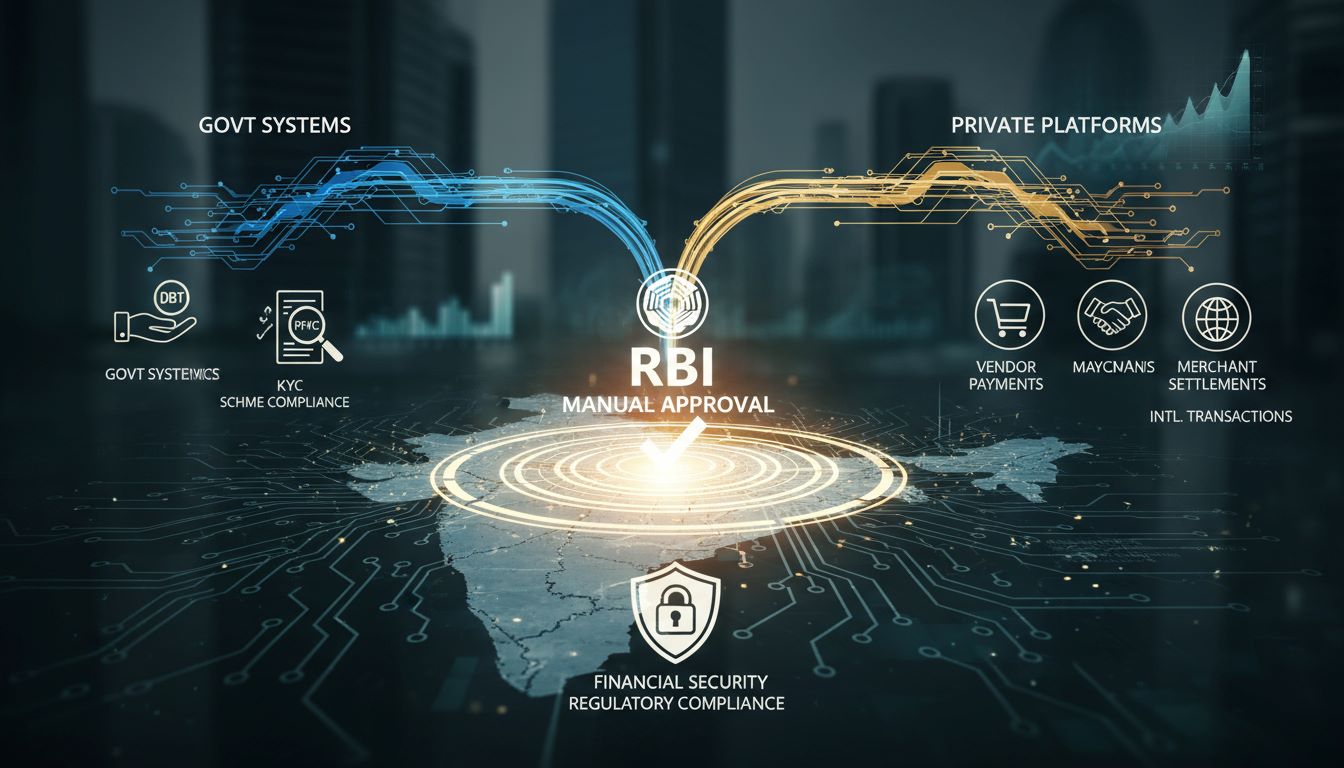
Manual payout approval in India represents a critical layer of financial security and regulatory compliance that protects both institutions and beneficiaries. The Reserve Bank of India (RBI) mandates these approval processes to ensure proper KYC validation, prevent fraudulent transactions, and maintain transparency in financial operations. These manual interventions become necessary when automated systems cannot verify transaction authenticity or when specific regulatory thresholds are exceeded.

Responsible gambling has emerged as both a legal imperative and a crucial personal safeguard in India’s evolving gaming landscape. As online gambling platforms proliferate across the country, regulatory authorities have recognized the urgent need for comprehensive player protection mechanisms that go beyond voluntary guidelines to become mandatory requirements for platform operators.